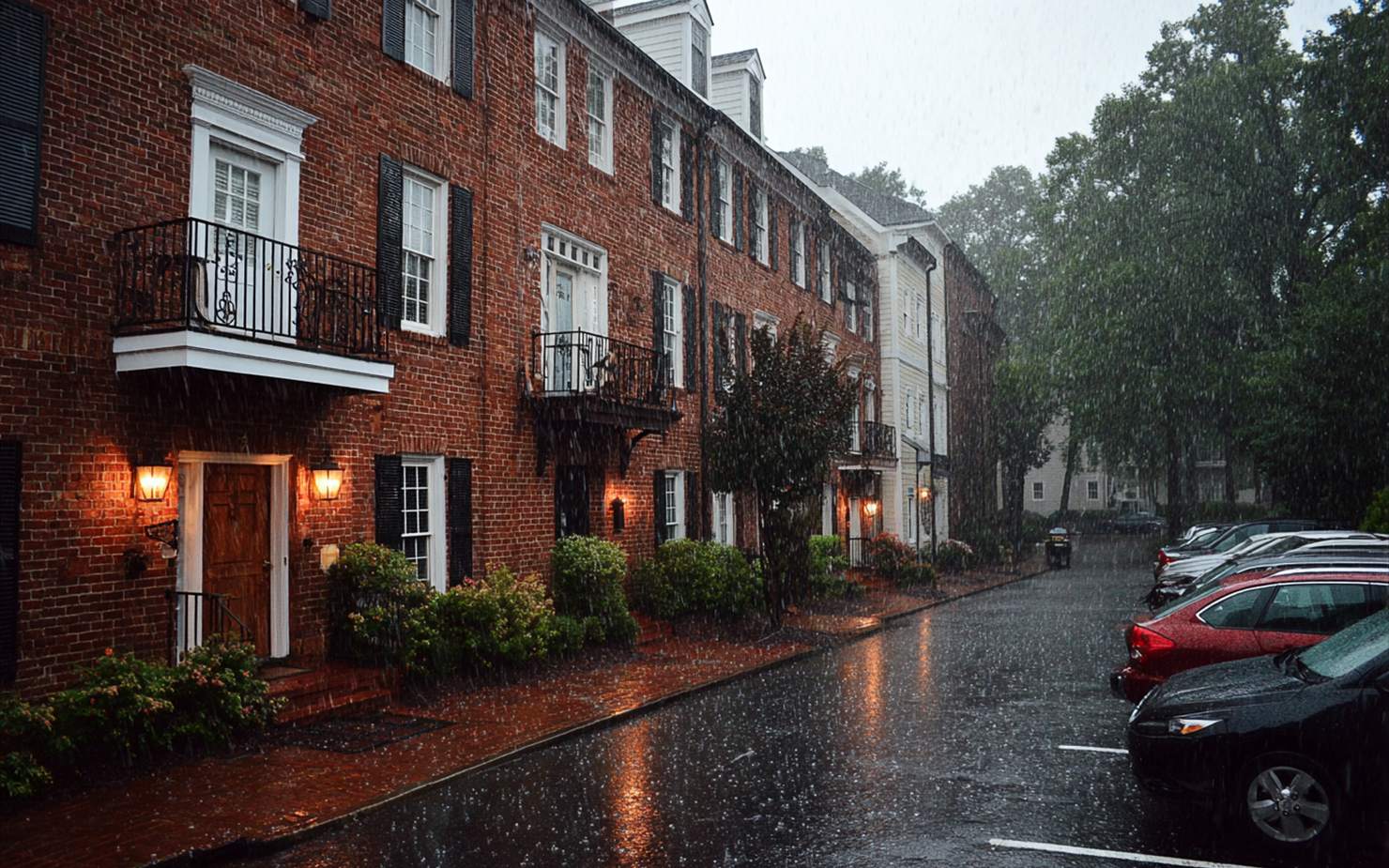
A house that once had water damage isn't a problem house if the damage was dried and repaired properly, and the paperwork proves it. Buyers worry about what they can't see: wet framing behind new drywall, a crawlspace that was never dried, a leak that was painted over. Sellers who can show the drying log, the scope and the repair invoices answer those worries before they become a price cut.
For Sellers
Records are the strongest thing you have. Gather:
- the restoration company's drying log, showing readings that reached dry targets
- the written scope of what was removed and replaced
- photos of the damage, the open walls or floors, and the finished repair
- invoices for the drying and the repairs
- any permits for structural, plumbing or electrical work
- the insurance claim and settlement, if there was one
Georgia sellers are expected to answer disclosure questions honestly, and past water damage often comes up. A documented repair is much easier to explain than a vague memory. Talk to your real estate agent or attorney about what your disclosure should say.
For Buyers
Look for clues and ask for records.
- Stains on ceilings or walls, especially under bathrooms
- Fresh paint or new drywall in just one area
- Cupped or replaced flooring in one room
- A crawlspace with stains, a new vapor barrier, or standing water
- Soft spots near toilets and tubs
- A damp smell in the basement or crawlspace
If anything looks like a past repair, ask the seller for the drying log and repair invoices. A home inspector can check moisture levels in suspect areas.
What a Proper Repair Looks Like
| Step | What proves it |
|---|---|
| The source was fixed | An invoice for the leak repair, or the restoration scope |
| The structure was dried | A drying log with readings that matched dry areas |
| Wet materials were removed | Photos of the open walls or floors; the scope |
| The repair was completed | Invoices; photos of the finished work |
| Permits were pulled where needed | Permit records from the city or county |
Dry it: a dated log of readings shows the drying was finished. Fix it: invoices and photos show the repair was done right.
Water Found Before Closing
If an inspection turns up active water damage, the buyer and seller usually negotiate: a repair before closing, a credit, or a price change. A restoration company can assess the damage and write a scope that both sides can look at. Who pays for what is part of the negotiation, not something this site decides.
After You Buy
Keep the records the seller gave you with the house papers. If water damage happens later, knowing what was repaired before helps the restoration company and your insurer.
Around Cobb
Houses change hands often in East Cobb, Kennesaw and Chattahoochee Plantation, and inspectors there regularly check crawlspaces and the ceilings under upstairs baths.
Flood Zones and Flood History
Beyond past leaks, buyers in Cobb should check whether a property sits in a mapped flood zone, especially near Sope Creek, Rottenwood Creek, Sweetwater Creek or the Chattahoochee. FEMA's flood maps show the zones, and a lender may require flood insurance for homes inside them. Sellers can save time by pulling the flood map for the lot before listing, along with any records of past flood claims.
Insurance History
A property's past insurance claims can show up when a new owner shops for a policy. That doesn't usually stop a sale, but it can affect premiums. Sellers who repaired water damage properly and kept the records are in a better position to explain a past claim. Buyers can ask their insurance agent how a home's claim history might affect coverage before they close.
What Inspectors Look For
A home inspector in Cobb usually checks the ceilings under upstairs baths, the area around toilets and tubs, the water heater and its pan, under sinks, the attic for roof leaks, and the crawlspace or basement. Moisture meters on suspect spots, stains on framing in the crawlspace, a new vapor barrier or fresh drywall patches all prompt questions. An inspector can't open walls, so the seller's records fill the gaps.
A Simple Folder Helps
Keep every document about a water damage loss in one folder or one digital file: the readings, the scope, photos, invoices, permits and insurance letters. When it's time to sell, hand the whole folder to your agent. When you buy, ask for the same.
Questions
Do I have to disclose past water damage in Georgia?
Disclosure questions often ask about it. Answer honestly and ask your agent or attorney what applies to your sale.
Can an inspector find hidden water damage?
Inspectors look for signs and use moisture meters on suspect areas. They can't see inside every wall, which is why records matter.
Should I buy a house with past water damage?
Many are fine if the damage was dried and repaired properly. Ask for the records and have suspect areas checked.
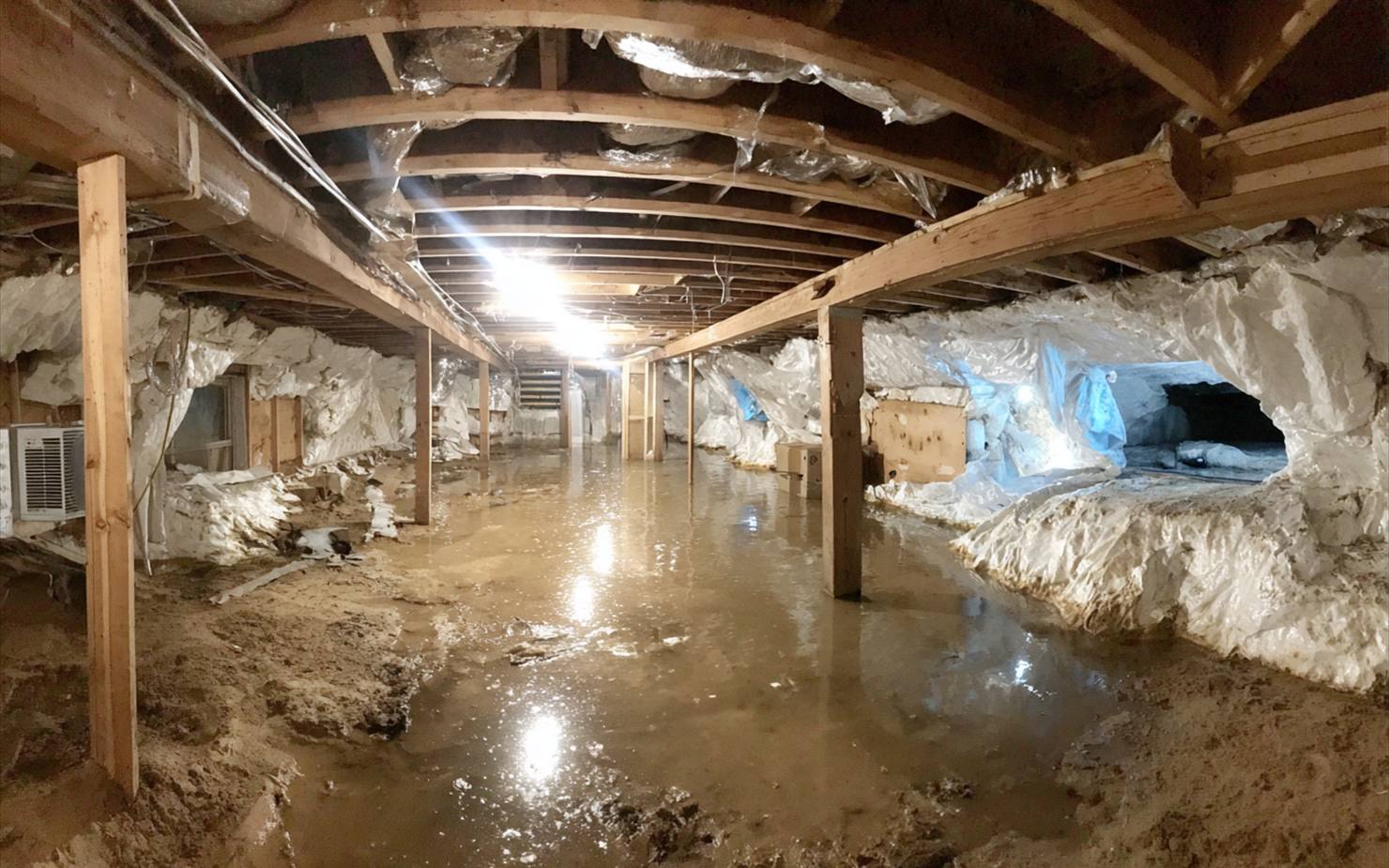
Crawlspaces in Georgia Humidity
Standing water, vapor barriers and sagging insulation.
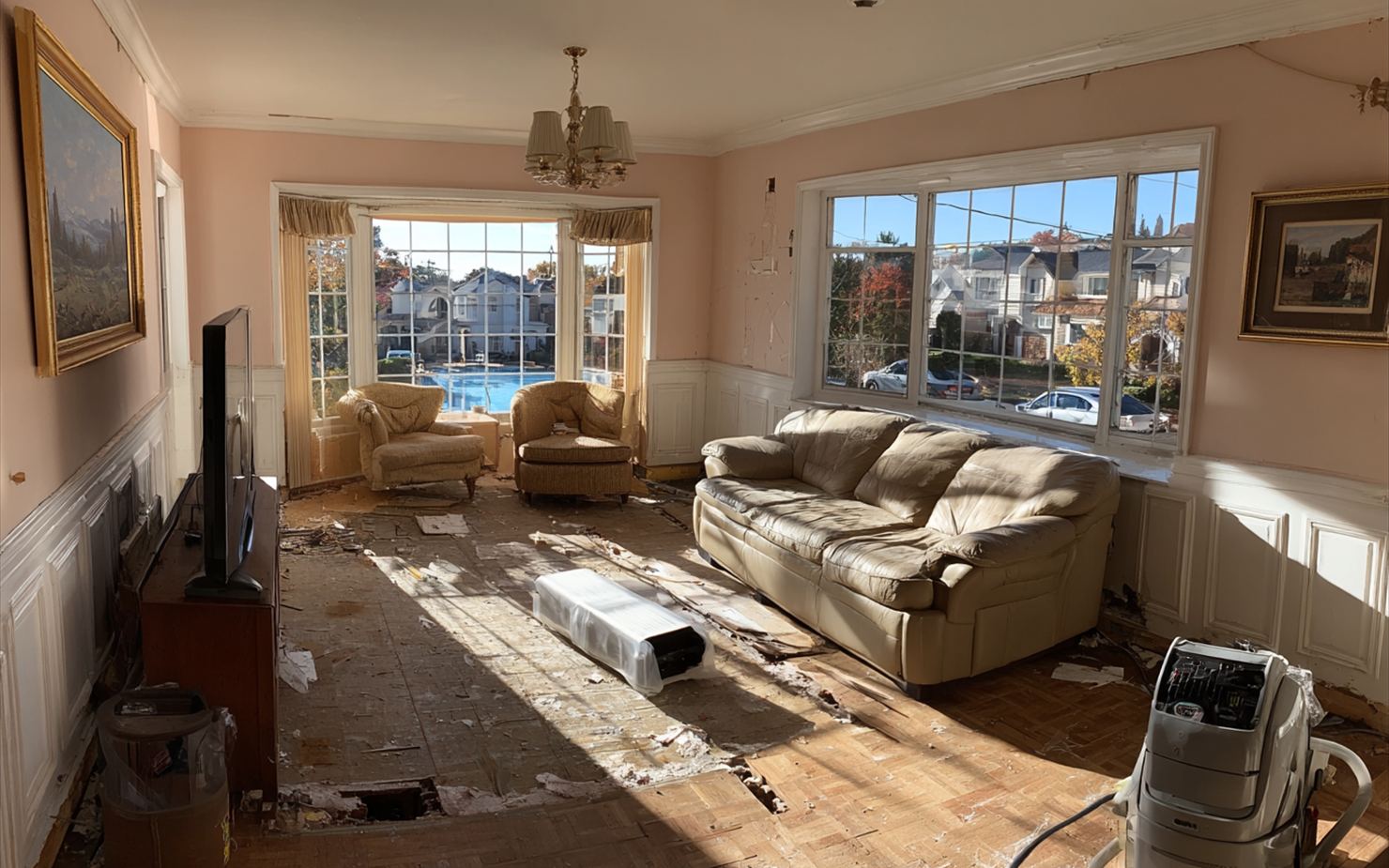
Wood Rot and Soft Framing After a Slow Leak
What months of small drips do to wood in a warm, damp climate.