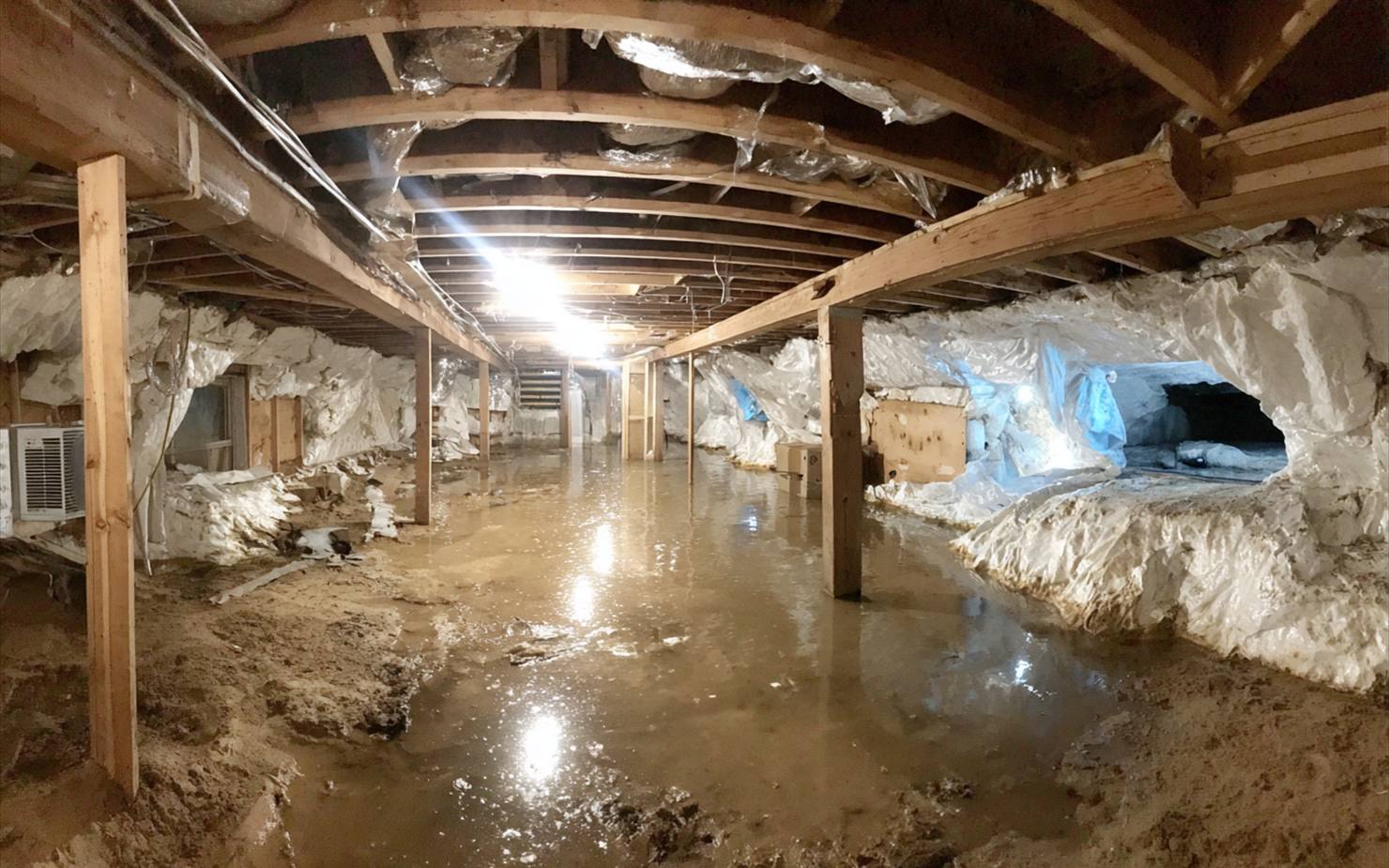
A crawlspace is the part of a Marietta house most likely to be wet and least likely to be checked. Many Cobb County homes sit on a crawlspace, a short space between the ground and the first floor. In Georgia's warm, humid climate, a crawlspace that takes on water from a storm or a slow plumbing leak can stay damp for weeks, and the floors above start to show it.
How a Crawlspace Works
A typical one has a dirt floor covered by a plastic vapor barrier, foundation walls with vents, floor joists and subfloor overhead, fiberglass insulation between the joists, and plumbing and ductwork running through. The vapor barrier keeps ground moisture down. The vents were meant to let air move. The insulation keeps the floor above warm.
When things go right, the space stays reasonably dry. When water gets in, each of those parts works against drying.
Where the Water Comes From
| Source | How it gets in |
|---|---|
| Heavy rain and storms | Runoff toward the foundation, water through vents, rising ground water |
| Plumbing leaks | Supply lines, drain lines and water heaters dripping from above |
| Air conditioning | Condensation dripping from cold ducts or a disconnected condensate line in summer |
| Gutters and downspouts | Overflowing gutters and downspouts that empty next to the foundation |
| A flooded creek or street | Outside water reaching low houses |
Summer humidity adds its own water. Warm, damp outside air entering through open vents can condense on cool surfaces in the crawlspace, wetting ducts and wood even without a leak.
What Water Does Down There
- The vapor barrier holds water on top like a tarp. Tears let it soak into the soil and keep the space humid.
- Insulation soaks up water, sags and falls. Wet insulation holds moisture against the joists.
- Joists and subfloor absorb water and stay damp; over months, damp wood softens.
- Ductwork gets wet, sags or comes apart, pulling damp air into the house.
- The floors above can cup, especially hardwood, and the house may smell damp.
Drying a Crawlspace
Drying under a house takes more equipment and more time than drying a room. Restoration companies typically:
- Pump out standing water.
- Pull out wet insulation and the torn or soaked vapor barrier.
- Set a dehumidifier in the crawlspace and air movers along the joists.
- Sometimes close the vents temporarily so humid outside air isn't pulled in.
- Measure the joists and subfloor each visit until they match dry wood.
In a humid Marietta summer, this often runs longer than drying the main floor. More on the drying side: crawlspaces and basements.
Dry it: the wood under the house reads dry before anything goes back. Fix it: a new vapor barrier and insulation, and any soft framing repaired.
After It's Dry
Once the crawlspace is dry, the repair list usually includes a new vapor barrier, new insulation, any duct repairs, and attention to whatever let the water in: grading, gutters, downspouts or a plumbing leak. Some owners choose to have the crawlspace sealed and conditioned so it stays drier. That's a separate decision and a separate kind of work, done by whoever you choose.
Checking Your Own Crawlspace
You don't have to go in to get a sense of it. Look through the access door with a flashlight after a big storm: standing water, sagging insulation and a wet barrier are visible from the door. Inside the house, watch for floors that feel soft or cool, hardwood that's starting to cup, or a damp smell. Leave the crawling around to someone with the right gear.
Around Cobb
Older homes in Fair Oaks and Mableton often sit on crawlspaces that collect water after long rains. Sloped lots near Kennesaw Mountain send runoff toward the low side of the house.
When the Floor Above Starts to Cup
Hardwood laid over a damp crawlspace often shows the problem first. The boards absorb moisture from below and cup, with their edges higher than the middle. Drying the crawlspace usually lets them settle back over a few weeks; sanding before then makes things worse. If the floor above a crawlspace cups after a storm or a leak, have the space underneath checked before deciding anything about the floor.
Sealed and Conditioned Crawlspaces
Some Marietta owners, after a wet crawlspace has been dried, choose to have it sealed: vents closed, a heavier barrier run up the walls, and a dehumidifier or conditioned air keeping it dry year-round. It's a bigger project and a separate decision from the water damage repair, but it changes how the space behaves in Georgia's humid summers.
Questions
Is standing water in a crawlspace an emergency?
It should be dealt with promptly. The longer it sits, the more insulation and wood it soaks, and the longer drying takes.
Can I just open the vents to dry it out?
In humid weather, open vents can bring in more moisture than they remove. The company will decide based on conditions.
Do I need a new vapor barrier?
If the old one was torn, soaked or covered in mud, it's usually replaced after drying.
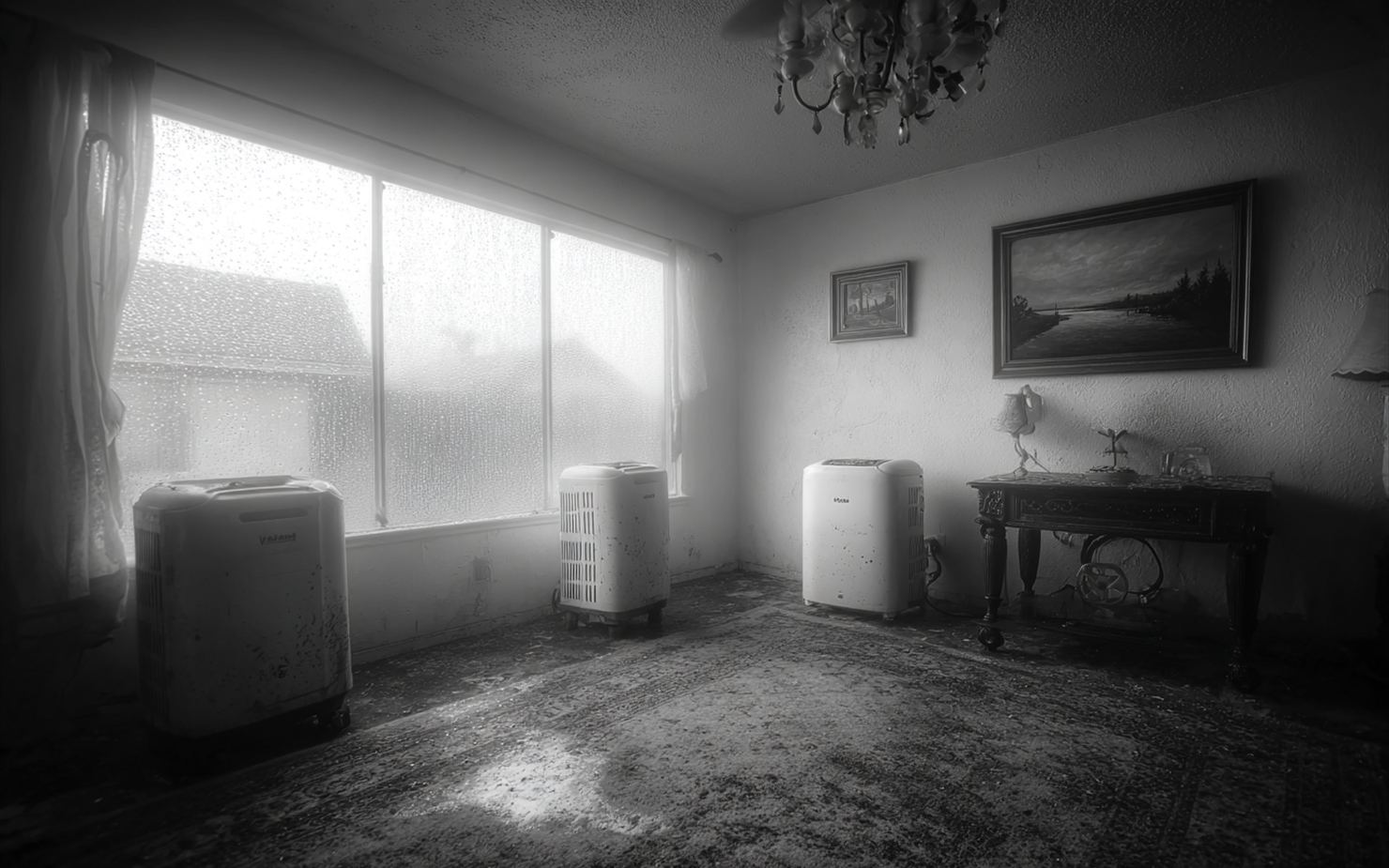
Drying a House in Georgia Humidity
Why it takes longer here, and what the equipment is doing.
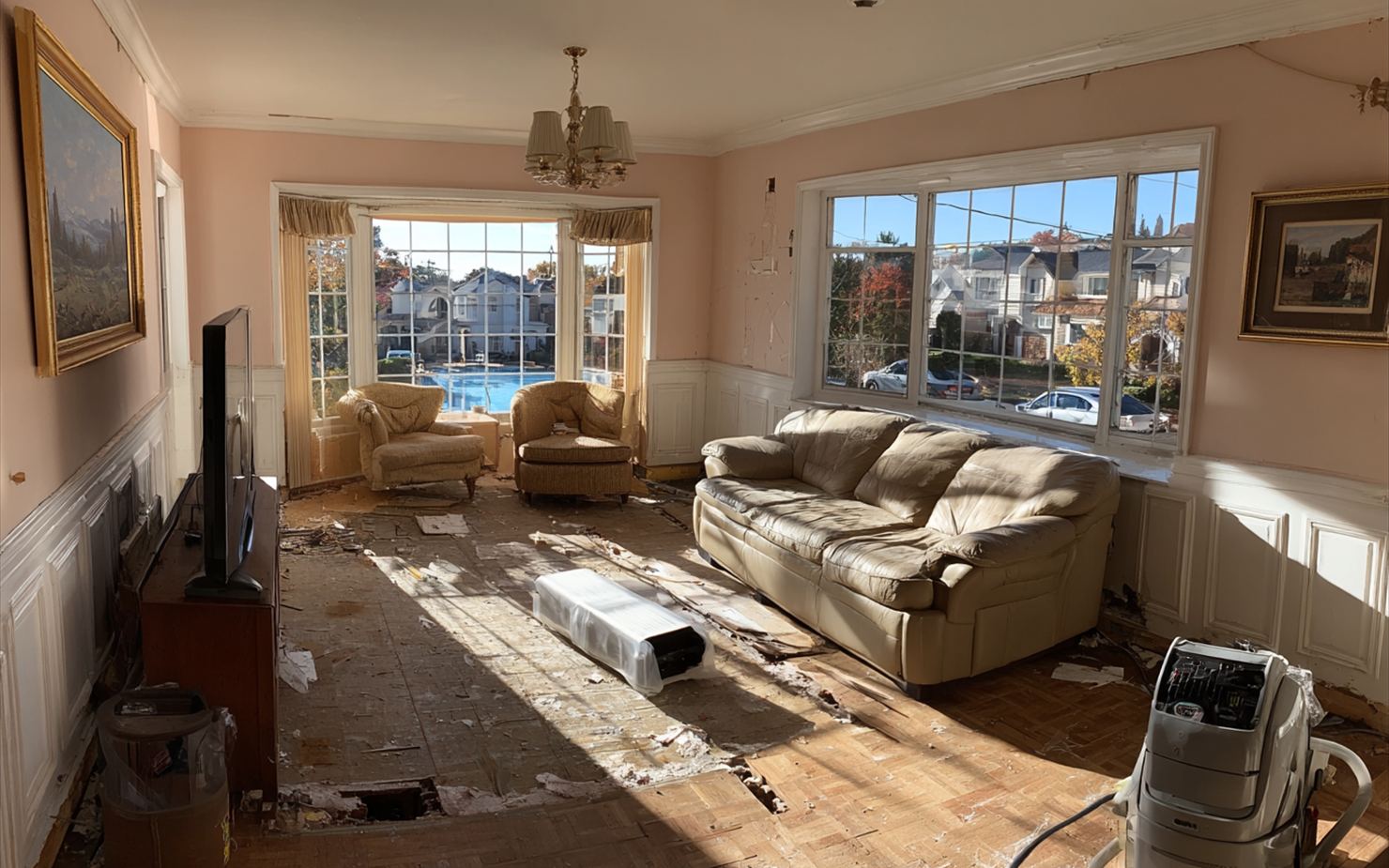
Wood Rot and Soft Framing After a Slow Leak
What months of small drips do to wood in a warm, damp climate.