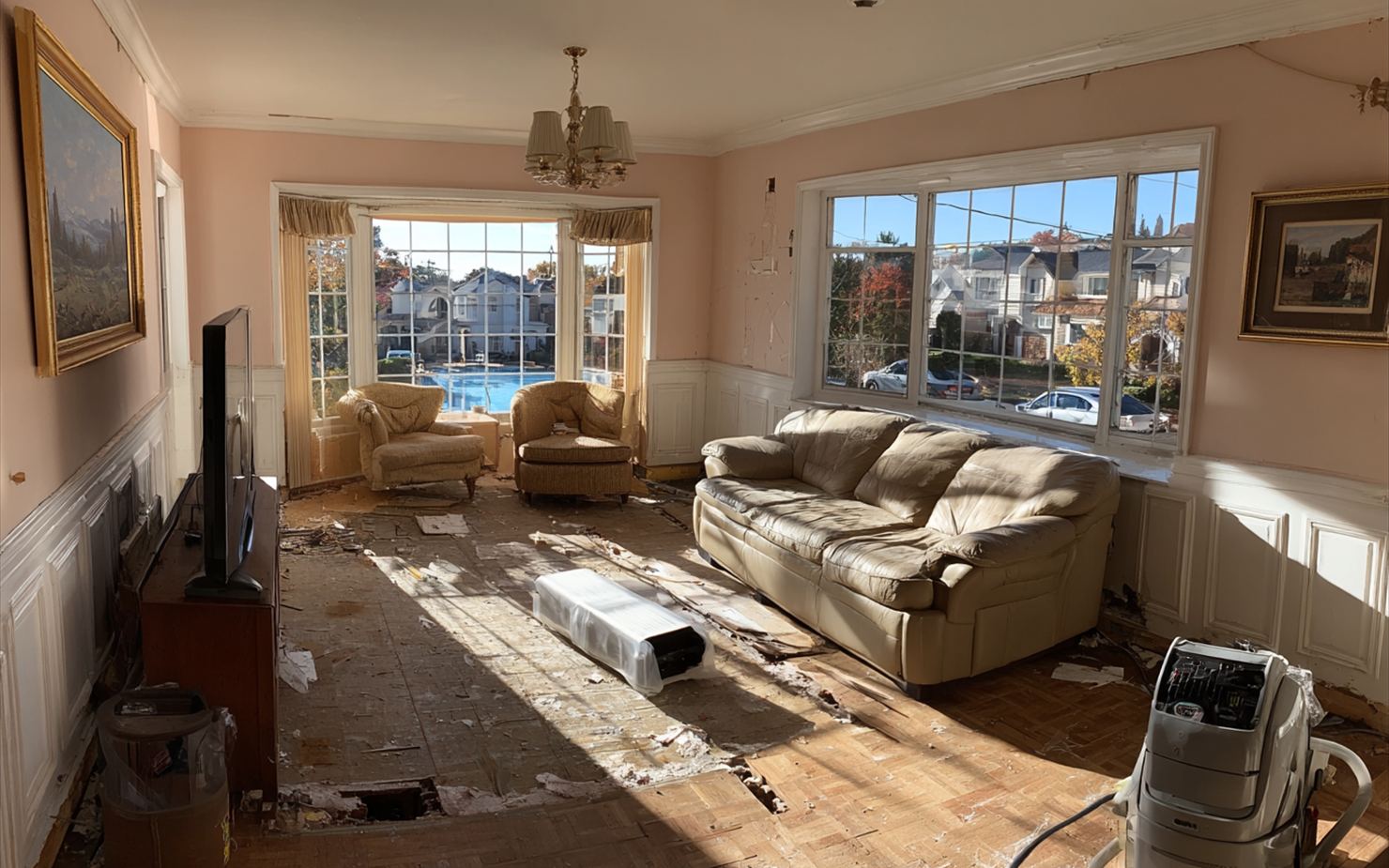
A burst pipe is loud and gets fixed fast; a slow leak is quiet and does its damage over months. In a warm, humid climate like Marietta's, wood that stays damp long enough starts to break down. By the time the leak shows, the subfloor under a toilet, the bottom of a wall behind a shower, or the sill on a window may already be soft.
How Wood Breaks Down
Wood holds up well when it's dry. When it stays wet, fungi that feed on wood begin to grow, and over weeks and months they weaken the fibers. The wood darkens, softens and eventually crumbles. Warmth speeds this up, and so does a lack of air movement, which is why the spaces inside floors and walls are the worst places for a slow leak.
Signs the wood under the surface is in trouble:
- a floor that feels soft or bouncy near a toilet, tub or dishwasher
- tile that cracks or lifts, or grout that keeps crumbling
- a toilet that rocks
- paint that bubbles low on a wall near a shower or window
- trim or a window sill that dents when pressed
- a stain that's been there a long time
Where Slow Leaks Hide
| Spot | Typical slow leak |
|---|---|
| Under a toilet | A failing wax seal |
| Behind a shower or tub wall | Cracked grout, a failed pan or a valve leak |
| Under a kitchen sink or dishwasher | A dripping connection or supply line |
| Around windows and doors | Failed caulk and flashing letting rain in |
| Under an upstairs laundry | A drain hose that drips a little every load |
| In the crawlspace | A drain line or supply line dripping for months |
Finding the Extent
What you can see is the smallest part of it. A restoration company uses a moisture meter to map the wet area, and opens floors or walls to see how far the damage goes. Soft wood is probed. Darkened but solid wood may only need drying. Crumbling wood comes out.
Drying What's Still Sound
Wood that's wet but still firm can usually be dried in place: the source is fixed, the area is opened for air, and equipment runs until the readings match dry wood elsewhere in the house. In Georgia humidity this takes patience.
Dry it: dry the sound wood and confirm it with readings. Fix it: replace what's soft, then rebuild the surface.
Replacing What's Gone
Common repairs after a slow leak:
- A section of subfloor cut out and replaced, often under a toilet or tub
- Sistered joists, where a new board is fastened alongside a weakened one
- A wall's bottom plate and the base of studs repaired behind a shower
- Window sills and trim replaced
- New tile, flooring and drywall over the repaired framing
Structural repairs may need a permit and a licensed contractor. The source of the leak is repaired as well, by whoever you choose. More: floors, walls and drywall repair.
Termites and Damp Wood
Damp, softened wood can also attract termites, which are common in Georgia. If wood under a leak shows tunnels or mud tubes, a pest professional should look at it. That's separate from the water damage work.
Around Cobb
Older houses near the Whitlock Avenue district and mid-century homes in Smyrna have had decades for small leaks to work on the wood. Crawlspace houses in Mableton can hide drips underneath for a long time.
EPA WaterSense on finding household leaks
Insurance and Long-Running Leaks
Many homeowner policies cover sudden water damage but exclude damage from leaks that continued over time, and rot is often specifically excluded. Keep records of when you first noticed the problem and what you did about it, and ask your agent how your policy treats long-running leaks before the repair scope is finalized.
Keeping Small Leaks Small
Most slow leaks give a warning before they become rot. A toilet that rocks, grout that keeps cracking, a cabinet floor that's always a little damp, or a water bill that creeps up are all worth acting on. Fixing the seal or the connection when it first shows saves the floor under it.
Bathrooms Are the Usual Spot
Most slow-leak rot in Marietta homes shows up in bathrooms: under a toilet with a failing seal, behind a shower with cracked grout, and under a tub where the drain seal has worn. In two-story houses, the first clue is often a stain on the ceiling below. Checking grout and caulk once a year and fixing a rocking toilet promptly prevents most of it.
Questions
Can rotted wood be dried and kept?
Wood that's still firm usually can. Wood that's soft or crumbling has lost its strength and needs replacing.
Does insurance cover rot from a slow leak?
Often not. Many policies exclude damage from long-term leaks. Ask your agent early.
How do I catch slow leaks sooner?
Watch for rocking toilets, cracked grout, damp cabinet floors and stains that slowly grow. Leak sensors near toilets and under sinks help.
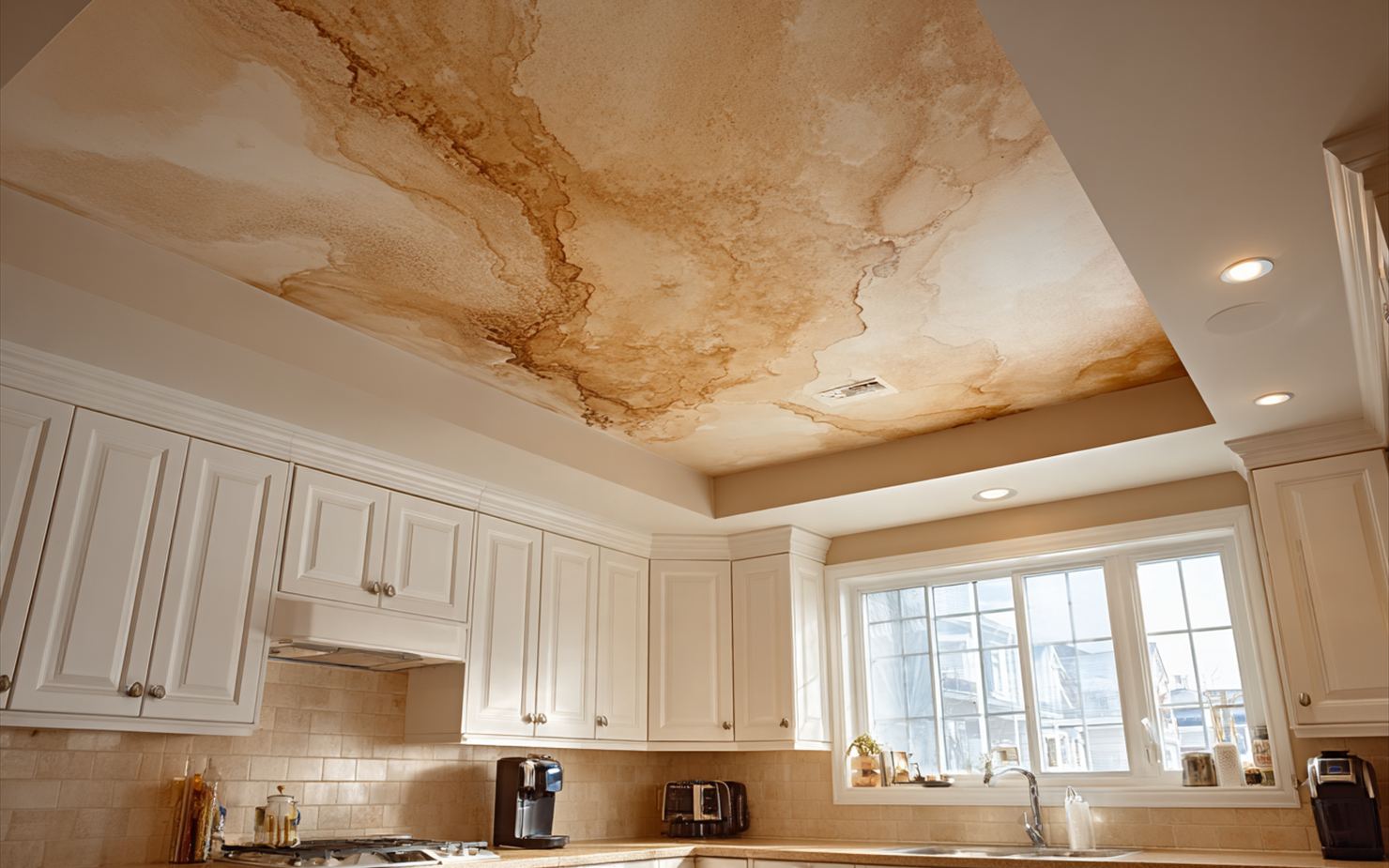
When the Upstairs Bath Comes Through the Ceiling
Toilet seals, tub drains and the kitchen ceiling below.

Older Homes Near the Marietta Square
Plaster, heart-pine floors and plumbing updated in stages.