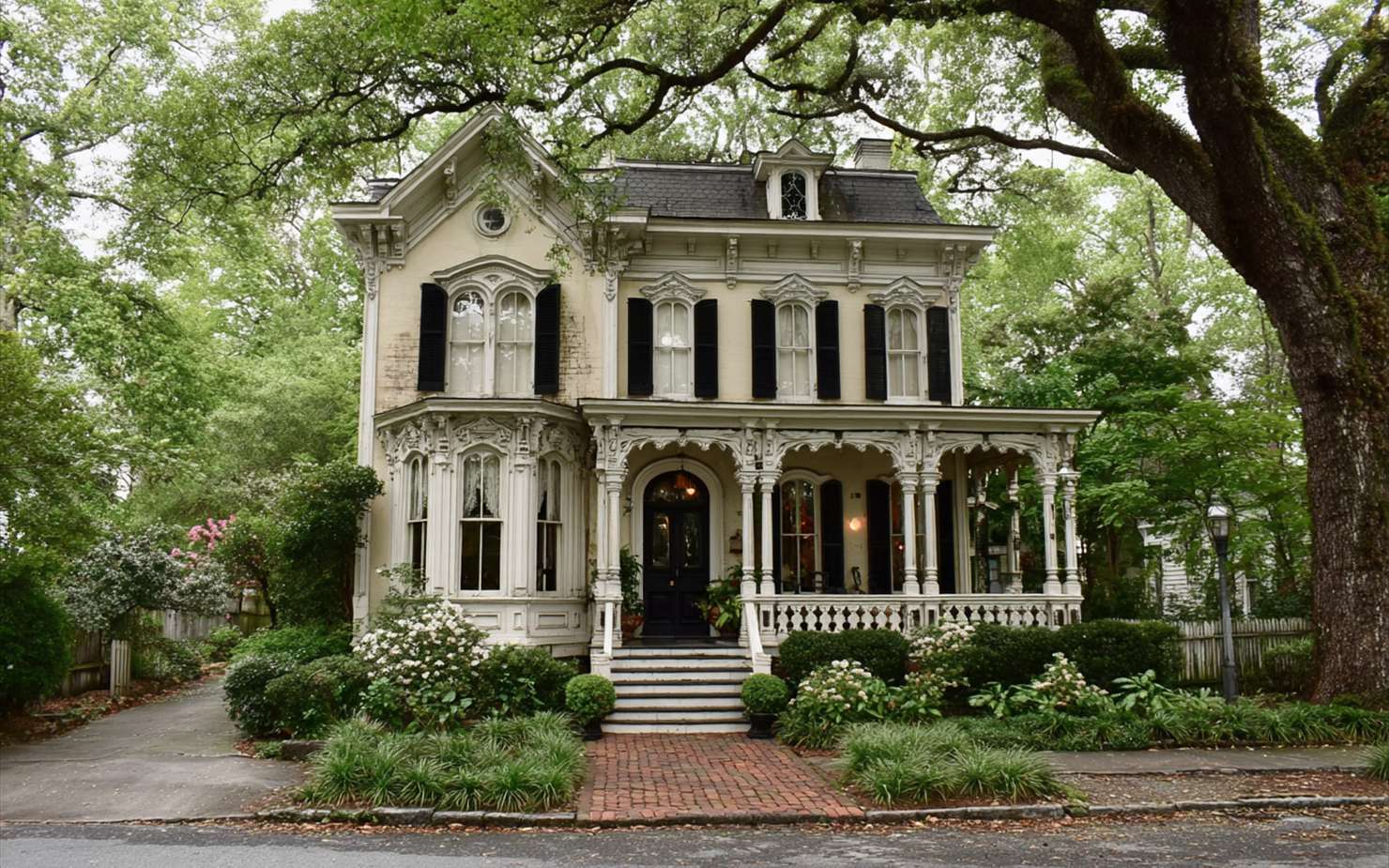
The streets around the Marietta Square hold some of the oldest houses in Cobb County, and water damage in them calls for a gentler hand than in a newer subdivision. The Whitlock Avenue Historic District, listed on the National Register in 1989, and the larger Northwest Marietta Historic District, listed in 1975, include homes from before the Civil War through the early twentieth century. Their walls, floors and trim were built with materials and methods that behave differently when they get wet.
What's Different About an Older House
| Feature | How it reacts to water |
|---|---|
| Plaster on wood lath | Holds up better than drywall when wet, but can lose its grip on the lath and crack if forced to dry fast |
| Heart-pine and old oak floors | Dense, old-growth wood; can cup but often recovers if dried slowly |
| Original trim and doors | Hard or impossible to replace exactly; worth saving |
| Plumbing updated in stages | Old galvanized, copper and new PEX joined together; joints are weak points |
| Bathrooms added later | Upstairs baths installed over ceilings and framing that weren't designed for them |
| Crawlspaces and low foundations | Damp under the house; slow to dry |
Plaster Isn't Drywall
Drywall that gets soaked usually comes out; plaster often doesn't have to. Plaster can absorb water and dry back out without losing its strength, as long as it stays bonded to the lath behind it. The risk comes when it's heated or blasted with air too quickly, which can crack it, or when the water loosened its grip on the lath. A restoration company that knows older houses will dry plaster slowly and check it for sagging or hollow spots before deciding what to remove.
Old Wood Floors
The heart-pine and oak floors in older Marietta houses came from old-growth trees, denser and more stable than most new lumber. When they get wet, they cup like any wood floor, but they often flatten as they dry if the drying is slow and even. Sanding too soon causes problems. If boards do have to be replaced, matching them may mean finding reclaimed wood of the same species and age.
Dry it: slow, measured drying of plaster and old wood. Fix it: repair with matching materials, not just what's in stock.
Plumbing in Stages
Most older houses have had their plumbing updated more than once. Each update left joints between old and new pipe, and those joints are where many leaks start. Bathrooms added upstairs decades after the house was built often run their drains and supply lines through framing that was never planned for them. A leak there can reach a plaster ceiling below.
Working in a Historic District
Interior drying and repairs usually don't need any special sign-off. Exterior work in a historic district, such as replacing windows, siding or porch parts damaged by water, may need approval from the City of Marietta. Ask before making changes to the outside.
Choosing Who Does the Repairs
For an older house, ask the company whether it has worked on plaster and old wood floors, and who does that part of the repair. Plaster repair is a skilled trade, and so is refinishing old floors so new and old boards blend. More on repairs: floors, walls and drywall repair.
Around the Square
The houses on the streets around Marietta Square, along Whitlock Avenue and through Northwest Marietta include many of these older homes.
City of Marietta floodplain management
Roofs, Porches and Trim
Older houses carry more exterior wood than most new ones: porch floors, columns, wide trim boards and window sills. Each is a place where rain gets in if paint and caulk fail. Water that gets behind trim runs into the wall and shows up inside as bubbling paint or a stain near a window. Keeping exterior paint and caulk in good shape is one of the simplest ways to protect an older house from water.
Documenting What Was There
Before anything is removed from an older house, photograph it closely: the trim profiles, the plaster texture, the floorboard width and the hardware on doors. Those photos help the repair match what was there, and they help with any insurance claim that has to account for older materials.
Living in the House During Drying
Most families stay in an older home while one area is dried, but the equipment is loud and runs continuously. In houses with plaster walls, the crew may set equipment to run more gently and take longer, to avoid cracking. Expect visits each day or two for readings, and plan for the repair crew to need the same rooms afterward.
Questions
Does wet plaster always have to come out?
No. If it stays firmly attached and is dried slowly, plaster often stays. Sagging or hollow plaster usually needs repair.
Can old heart-pine floors be saved after a leak?
Often. Dried slowly, they frequently flatten. Replacement boards may need to be reclaimed wood to match.
Do I need permission to repair a historic house?
Interior work usually doesn't. Exterior changes in a historic district may need the city's approval. Check with the City of Marietta.
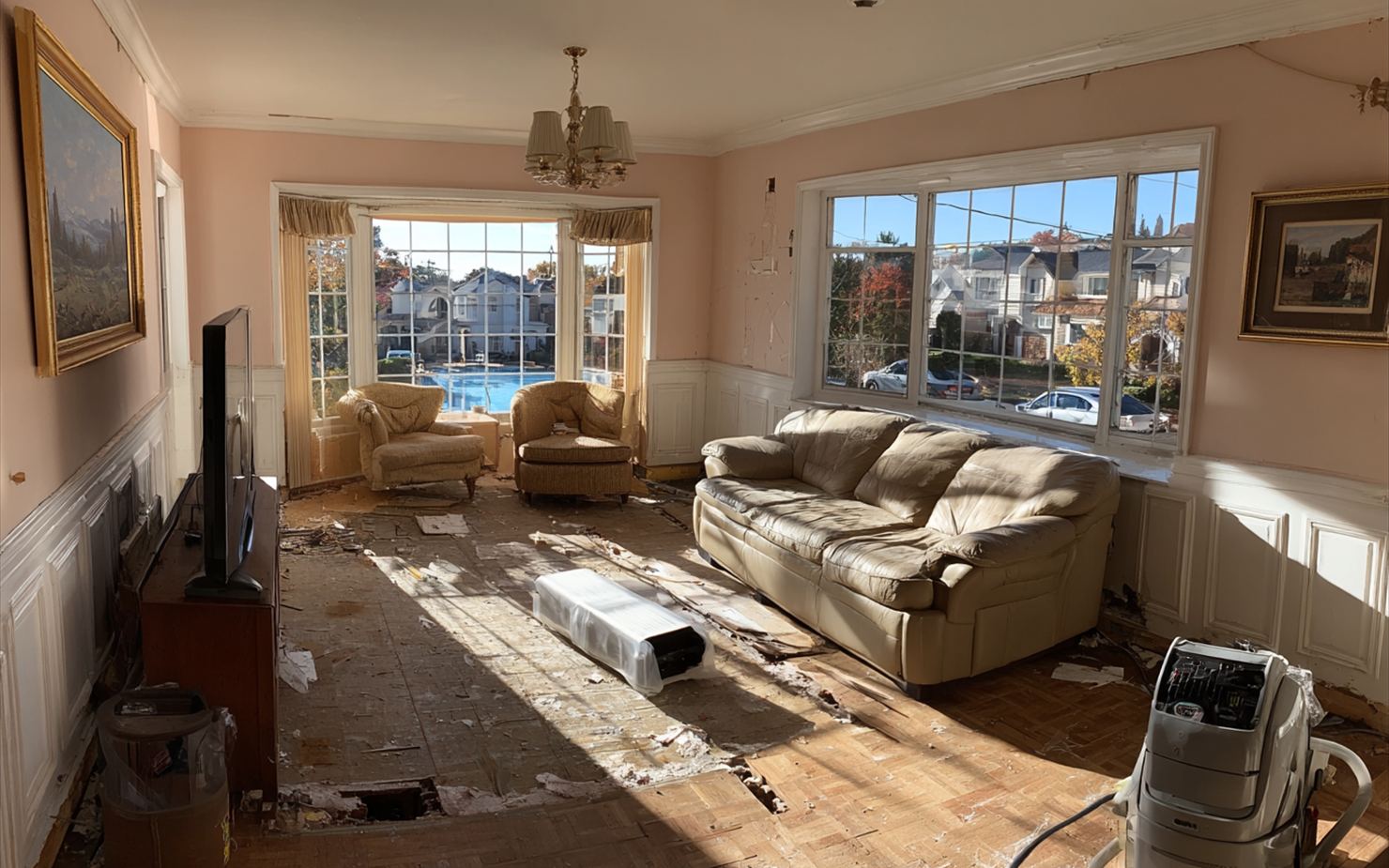
Wood Rot and Soft Framing After a Slow Leak
What months of small drips do to wood in a warm, damp climate.
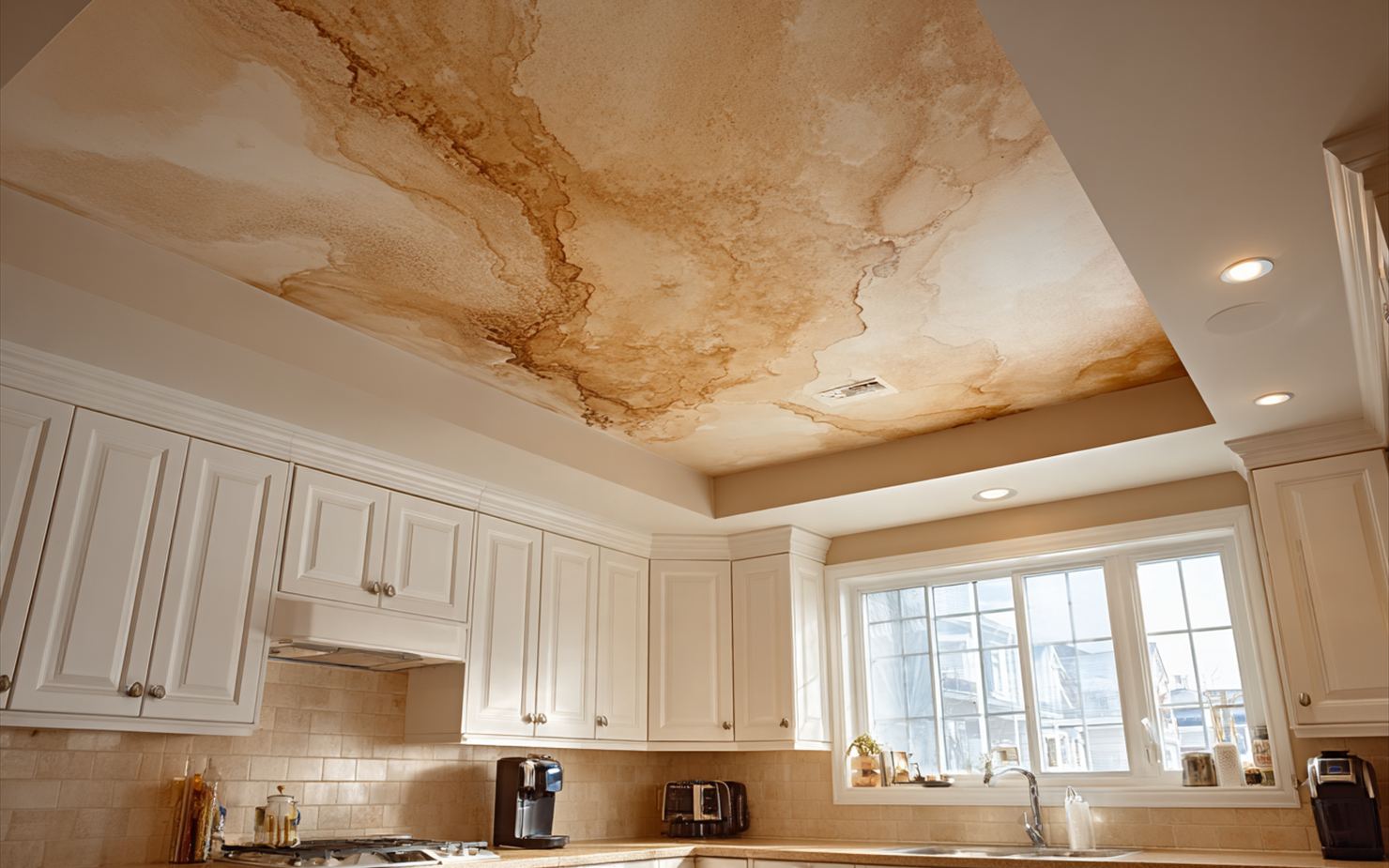
When the Upstairs Bath Comes Through the Ceiling
Toilet seals, tub drains and the kitchen ceiling below.